.jpg)
Reception- Science-Bug Hunt and More
In the vibrant world of our Reception classroom, young scientists transform into intrepid explorers as they venture outdoors equipped with magnifying glasses to uncover the secrets of the undergrowth. This hands-on "bug hunt" allowed the children to develop keen observation skills, peering through lenses to identify the intricate patterns on a beetle’s wing or the rhythmic movement of a centipede. By investigating these tiny creatures in their natural environments, students begin to understand biological habits and physical features firsthand. This curiosity seamlessly transitioned back into the classroom, where the tactile learning continued. Children consolidate their findings by sculpting their own imaginative insects and engineering detailed micro-habitats within the sand tray, bridging the gap between scientific inquiry and creative expression.
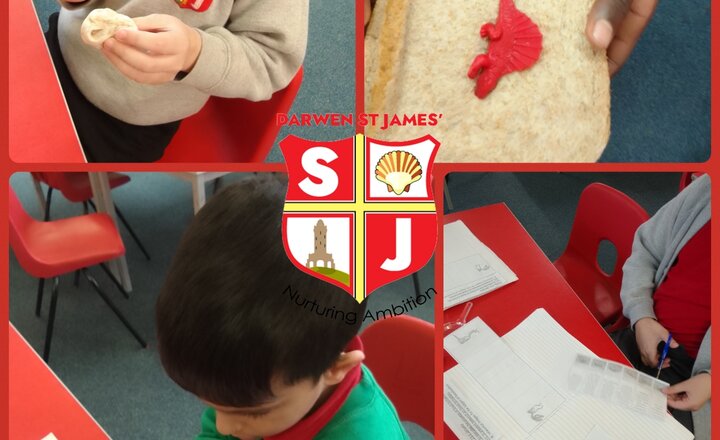
Year 3 - Science - Learning How Fossils Are Formed
Ever wondered how a dinosaur becomes a stone? In this Year 3 lesson, we became paleontologists to uncover the secrets of the earth! Pupils explored the incredible journey from a living creature to a prehistoric treasure. We’ll learned how layers of mud and millions of years of pressure create nature’s very own time capsules.
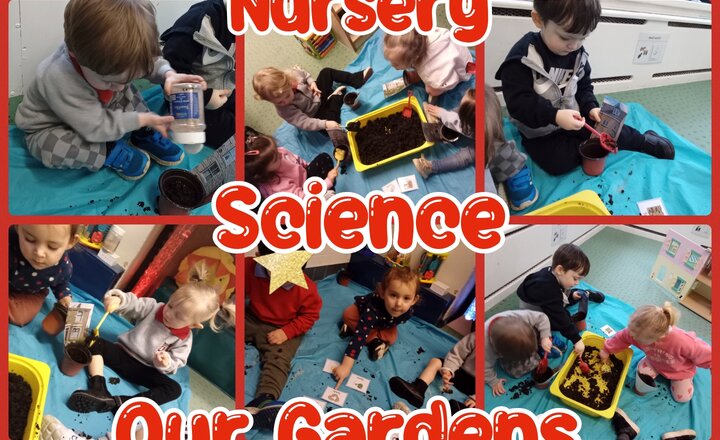
Nursery - Science - Our Gardens
This week, the children engaged in a hands-on science lesson exploring the environment and how things grow. Using images of their own houses as inspiration, the children were tasked with creating their very own gardens! To make the activity even more meaningful, the images of their houses were taped onto the pots to create the illusion of the children's own gardens at home growing. The children practiced their physical coordination and tool use, using trowels to carefully scoop soil into their pots. Once the pots were prepared, they used shakers to distribute their seeds, learning about the first stages of a plant's life cycle. During the activity, we discussed what we need for a healthy plant. The children learned that for a plant to grow big and strong, it needs two vital ingredients: water and sunlight. This exploration allowed the children to connect their learning to their own homes while building a foundational understanding on how we can take care of plants. We are now keeping a close eye on our pots and hope to see some blossoming flowers soon!
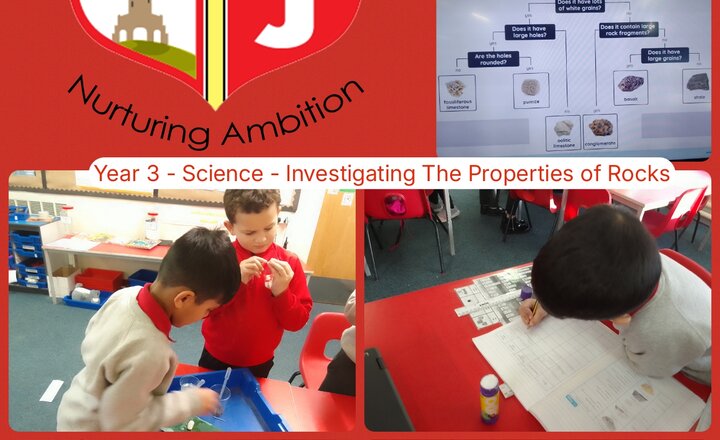
Year 3 - Science - Investigating The Properties Of Rocks
Year 3 are rocking it! Today we turned our classroom into a lab to investigate the properties of rocks. We’ve been scratching, soaking, and sorting to find out which rocks are the toughest and which are the most absorbent.
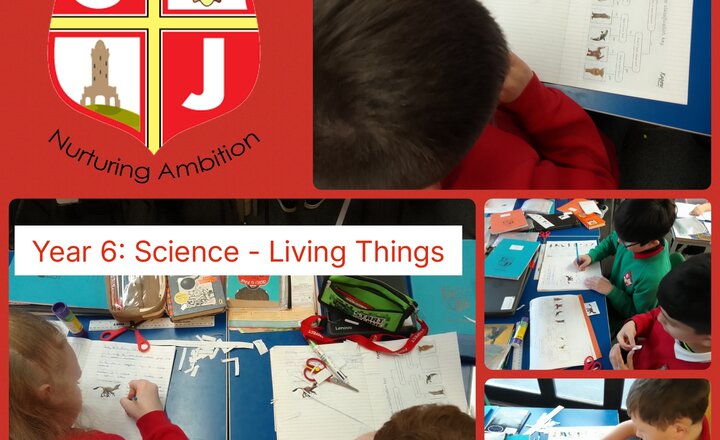
Year 6: Science - Living Things
This week in Science, year 6 have continued to develop their understanding of classification keys. They created a key for vertebrates, and we had a great discussion about whether an extinct creature was a reptile or a bird, using observable characteristics to justify our answers.
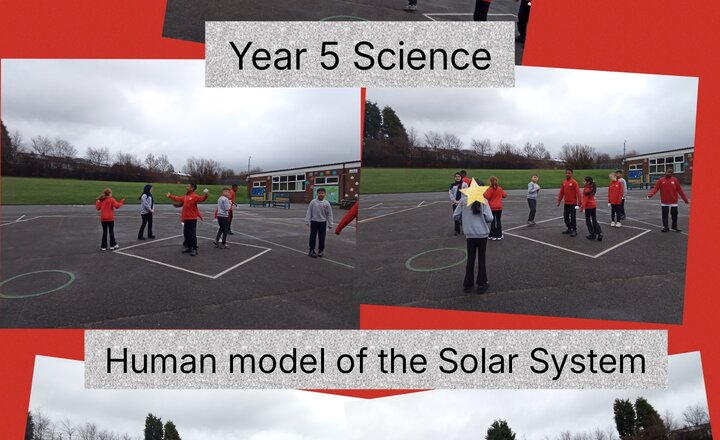
Year 5 Science - Human Model of the Solar System
This term, Year 5 has been heading out of this world to study Earth and Space! We started by looking at two very big words: Geocentric and Heliocentric. Historically, people thought the Earth was the centre of everything (Geocentric). But we discovered that we actually live in a Heliocentric system, where the Sun is the boss and everything orbits around it! To see how this worked, we turned ourselves into a Human Solar System. We had to orbit the Sun while spinning on our own axes at the same time! It was tricky work, especially for our Venus, who had to spin in the opposite direction to everyone else because it rotates 'backwards' compared to Earth! After all that spinning, we sat down to become researchers, creating fact files about amazing celestial bodies like Mars, Jupiter, and the Sun.
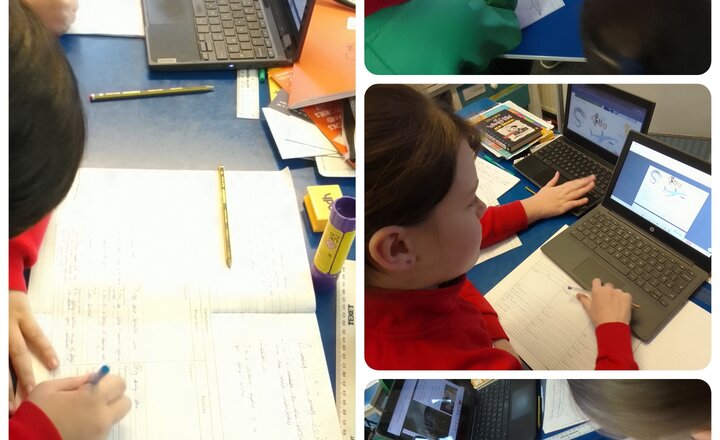
Year 6: Science - Classification
This week in Science, year 6 have been learning about the Linnaean System of classification. We looked at how to classify cold-blooded vertebrates based on their characteristics. L.O: To classify vertebrate groups.
Nursery - Geography - Science - Ice Exploration
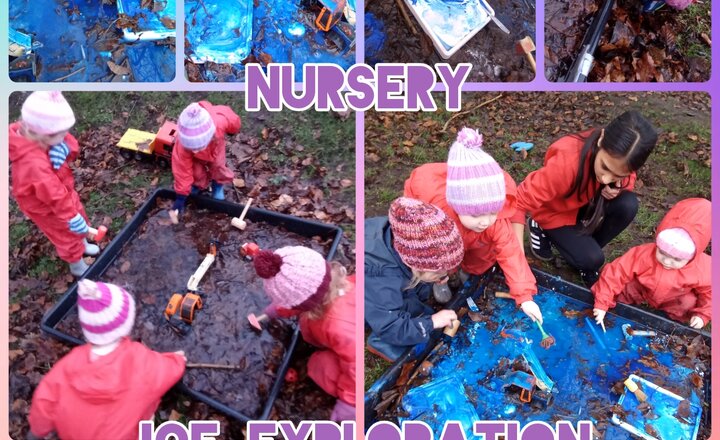
This lesson was sparked by the children's natural curiosity during outdoor play, when they discovered vehicles "stuck" in the ice. This led to a focused exploration on Friday, where the children set off into the garden equipped with tools like hammers and forks to "save" the frozen vehicles. The children demonstrated fantastic teamwork as they worked together to hit and scrape the ice. This provided a great opportunity for them to observe the physical properties of materials; they noticed that the ice was hard and were fascinated by the cracking sounds and visual patterns as it began to break apart. Their excitement grew as they successfully freed the cars from the ice. The children observed a change in state compared to yesterday, noticing that there was now water in the tray. This sparked a meaningful conversation about ice melting, which they explored further by splashing in the water. To enhance the sensory experience and encourage further investigation, the children were supplied with paint and textured brushes to mark-make directly onto the remaining ice and in the water, combining scientific observation with creative expression.
Nursery - Science - Magnetic Wands
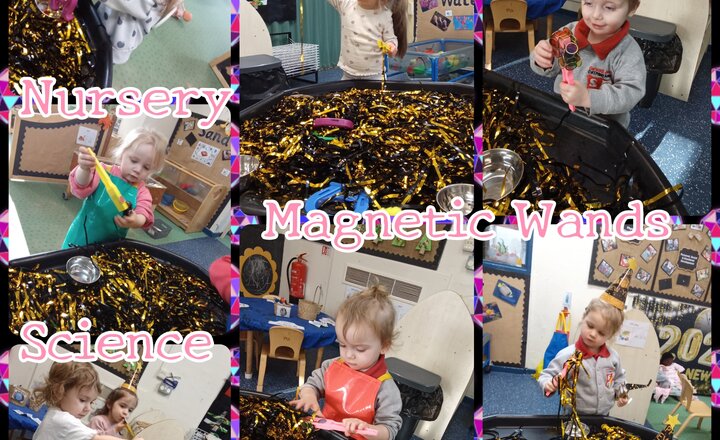
To celebrate the New Year, the nursery class engaged in a hands-on science exploration involving magnetism and hidden treasures. The children accessed the malleable tray, which was filled with a festive mix of black and gold foil. Their task was to use an assortment of shaped magnets to search for hidden gems buried deep within the tray. This activity provided a fantastic introduction to the concept of attraction and magnetic force. A surprising discovery occurred as the children worked, once they acquired a gem, strips of shiny foil also attached themselves to the magnets. The children were delighted to see their magnets transform into magic wands covered in tinsel-like foil. They showed great curiosity and persistence, excitedly exploring the textures of the foil and seeing how many gems they could capture using their tools. This lesson successfully combined sensory play with an early understanding of how magnets interact with different materials.

Year 6: Science - Light
This week in science year 6 have conducted experiments to prove that light travels in a straight line. L.O: To understand the pathway of light.
Year 3 - Science - Understanding Nutritional Values
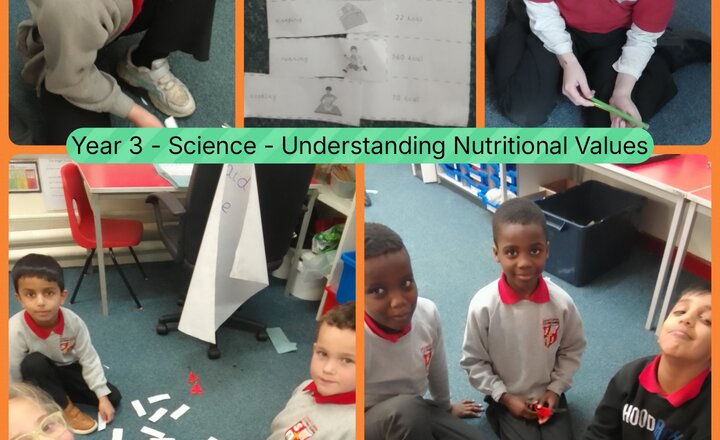
In Science this week, Year 3 investigated the importance of a balanced diet. The children explored the five main food groups—carbohydrates, proteins, dairy, fruit/vegetables, and fats—and discussed how each nutrient helps our bodies grow and repair. We also analysed food packaging labels to identify nutritional values, paying close attention to the "traffic light" system to spot hidden sugars and saturated fats.
Pre-School- Science -Electricity
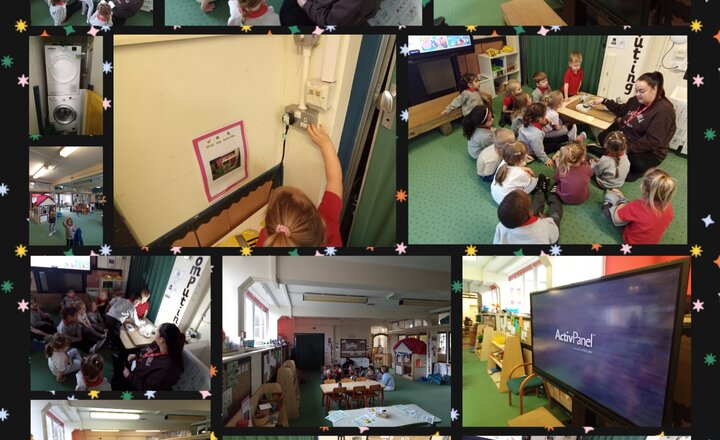
This week in our understanding the world the children have been looking at electricity. We used an electricity board so the children could see when electric was pumping to the board the light bulb lit up and when electricity was pulled away the bulb did not light up.The children looked around the classroom to find items that need electricity to work.
.png)