Year 3 - Science - The Musculoskeletal System
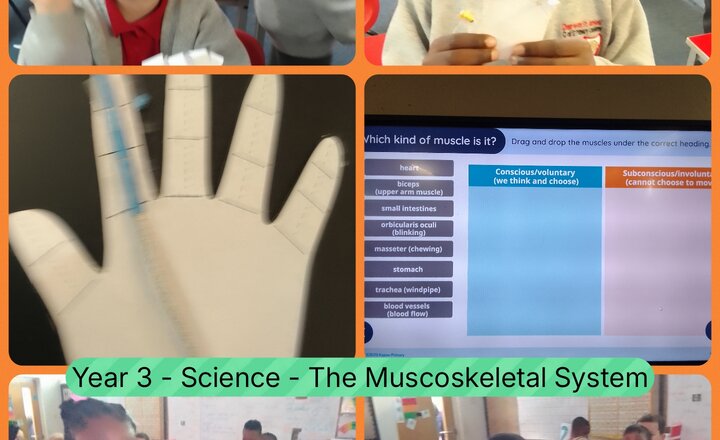
Year 3 learned all about the incredible musculoskeletal system—the body's scaffolding and engine. We investigated how our muscles and bones work together like a team to help us run, jump, and even just hold a pencil. We identified the main purpose of our skeleton—to support and protect our organs. We looked at different bones like the femur and the skull. We explored how muscles work in pairs to create movement. We tried out actions, like bending our arms, and saw how one muscle contracted (shortened) while the other relaxed (lengthened). This was called antagonistic movement! We participated in a fun activity where we created a simple model of our hand. It was a super interesting lesson, and we all came away knowing so much more about the power and complexity of our own bodies!
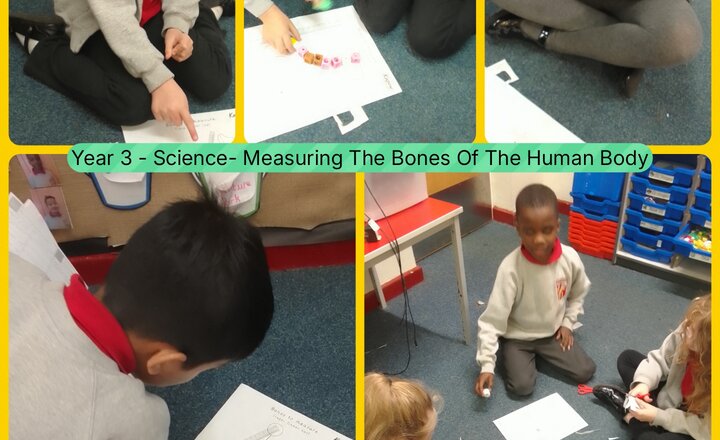
Year 3 - Science - Recognising The Main Bones In The Body
This week, Year 3 explored the amazing world inside us during our science lesson on the human body! The children worked like scientists to recognise and identify the main bones in the human skeleton. They learned where the cranium (skull), rib cage, and femur (thigh bone) were located and what important jobs they did.
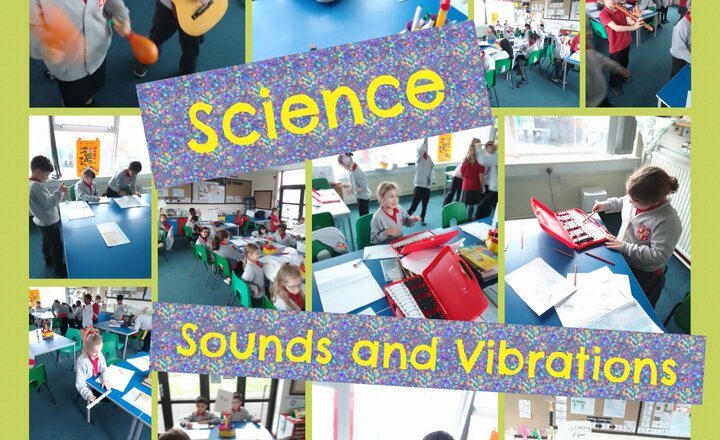
Year 4 Science - Sound and Vibrations
Year 4 experimented with different sounds in this week's Science lesson, finding out what varies different aspects of sound, such as volume and pitch. It was a very noisy lesson, but lots of fun and learning took place throughout the different activities!
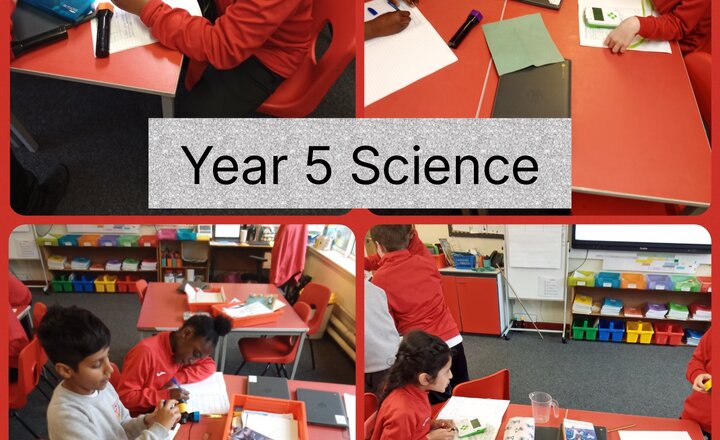
Year 5 Science - Exploring Transparency
Year 5 deepened their understanding of materials in Science this week by exploring transparency. We learned that a transparent material allows light to pass straight through, enabling clear vision. To investigate this concept, students conducted a practical experiment: using a light meter and a torch, they tested a variety of objects to accurately classify them as transparent, translucent (allowing some light through), or opaque (blocking all light).
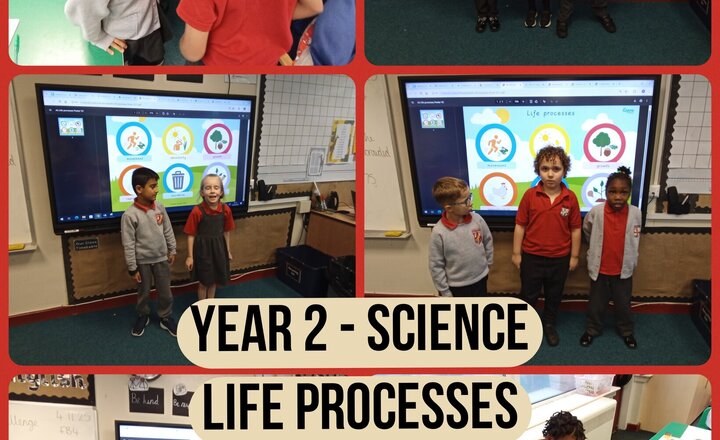
Year 2 - Science - Life Processes
Our Science lesson was all about the 6 things that keep us alive! We couldn't believe it when we found out that even plants move—like sunflowers turning or roots growing! To share what we learned, we split into teams to make a special show-and-tell about each process.
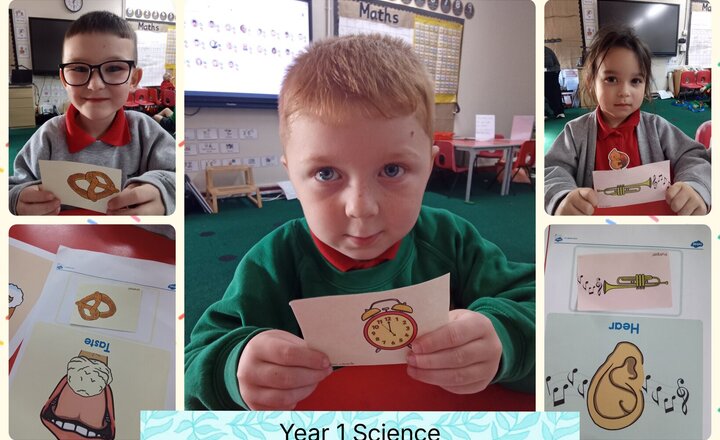
Year 1 - Science - Matching and Sorting 5 Senses
In Science this week, Year 1 have worked hard to match and sort items with the 5 senses! They had lots of fun identifying items and finding the correct senses card to match! Well done.
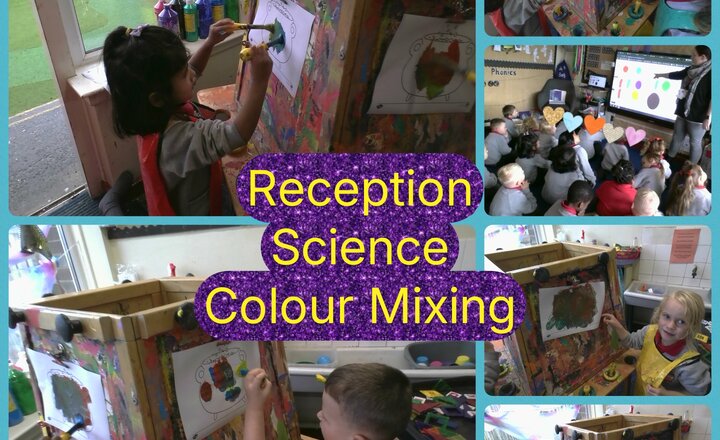
Reception- Science- Colour Mixing
Our little scientists have been diving into the world of colour mixing! Today, Reception children explored the magic of primary colours—red, yellow, and blue. We used the paint on our cauldrons to combine the base colours and see what amazing secondary colours we could create. It was a hands-on, exciting lesson that sparked curiosity and introduced early concepts of scientific investigation and observation. Watch as they discover how just three colours can make so many more!
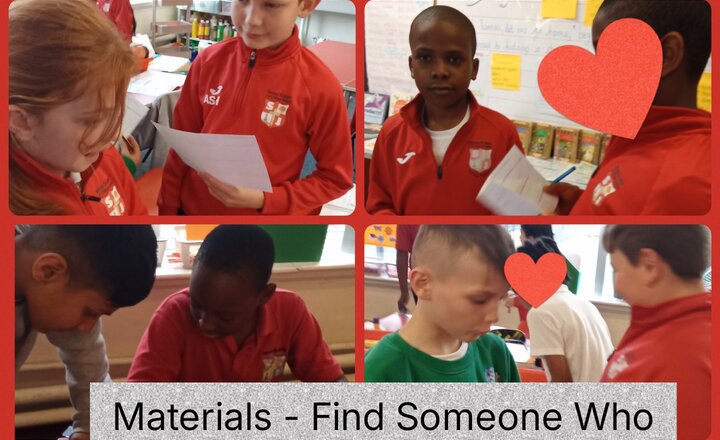
Year 5 Science - Materials: Find Someone Who
Year 5 started their Science this week by consolidating prior learning on the properties and changes of materials with a lively game of 'Find Someone Who'. This active revision, which included concepts from Year 3, generated a wealth of rich discussion and ensured strong information recall. Energized by this, we launched into our new topic: hardness. Students tested various materials, using a nail to scratch different objects and ranking them from hardest to softest. We then evaluated our investigation in terms of its reliability.
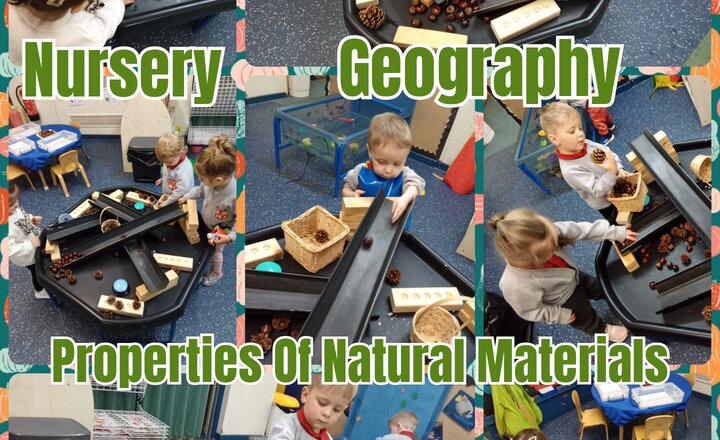
Nursery - Geography - Properties Of Natural Materials
Nursery class have been exploring the properties of foraged natural materials—pinecones and conkers. The activity began with practicing anticipation skills using a clear "Ready, Steady, Go!" cue to release the objects down the pipes. The children quickly discovered a key difference, the conkers rolled down the entire length of the pipe, but the pinecones stopped short and got 'stuck'. This led to a discussion about the physical characteristics of the materials. The children were prompted to feel each item, noting that the conker was smooth, while the pinecone was spikey, which stopped it from rolling. The experimentation then moved to exploring cause and effect by adjusting the slope of the drainpipes. The children used blocks to make the pipes higher or lower, observing how the incline affected the speed of the rolling objects. Then they raced the two materials, further working on their understanding of how a material's shape and texture influence its movement. This was a rich, hands-on lesson about the physical world around them.
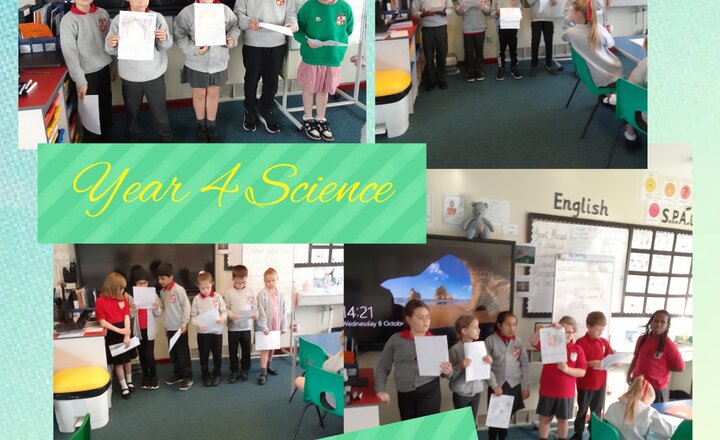
Year 4 Science - Presenting Data
In Science, Year 4 have been learning all about living things and their habitats. We have found out how our seasons affect living things and the habitats they live in and spent some time researching what happens to certain plants and creatures during the different times of the year. We worked in four different groups and each group presented to the class what they had found out about their season. We were surprised at what some creatures did and needed to do because of the changes in weather and their habitat. We really enjoyed using different resources to find out about these changes.
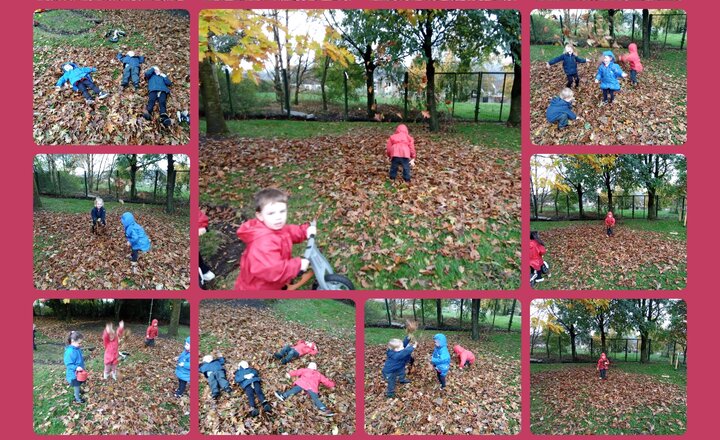
Pre-School-Outdoor Provision-Autumn Fun
???? Autumn is officially in the air—and in our classroom! ???? We're diving into the Natural World by becoming little nature detectives. From watching the leaves turn a brilliant gold to spotting squirrels prepping for winter, our children are observing and describing all the amazing seasonal changes around us. What we're exploring: • ???? Nature Detective Work: Describing why the leaves feel 'crunchy' and look 'rusty.' • ???? Getting Moving: Practicing new Gross Motor skills like swirling like a dancing leaf or stomping through imaginary leaf piles! • ????️ New Words: Adding exciting words like deciduous, acorn, and conker to our vocabulary.
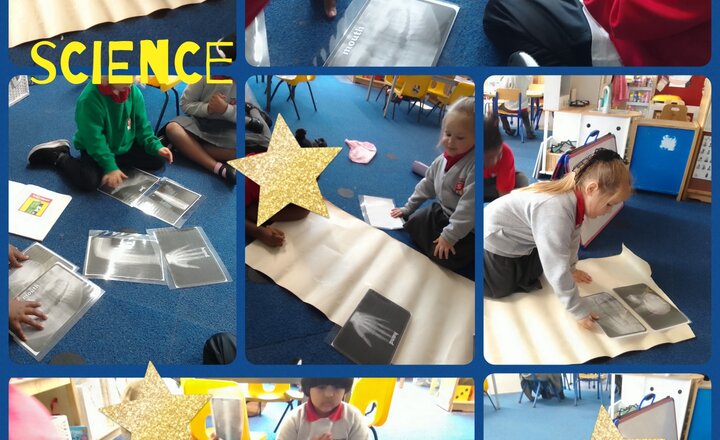
Reception - Science - Exploring Skeletons!
In Reception, we’ve been exploring skeletons as part of our learning linked to Funnybones by Janet and Allan Ahlberg. The children were fascinated by real X-rays and loved discovering what our bones look like inside our bodies. We worked together to draw around each other on large paper, then named and labelled the different bones — from our skulls and ribs to our arms and legs! This hands-on learning helped the children make links between the story and their own bodies, while developing their understanding of the world (EYFS science). It’s been a brilliant mix of curiosity, creativity and teamwork — and we’ve learned that there really are skeletons inside everyone!
.png)