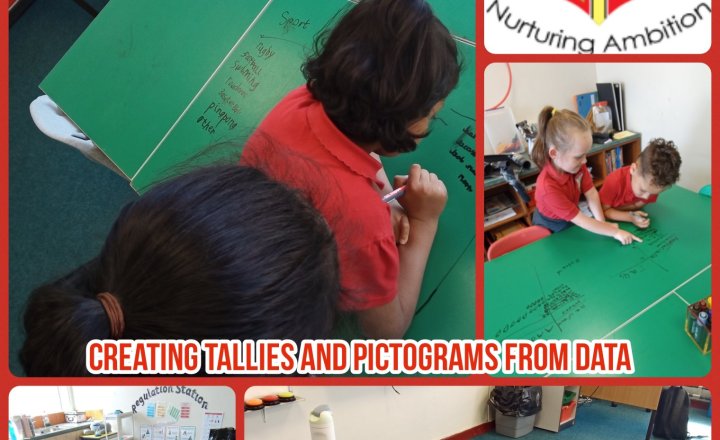
Year 2 Maths: Creating pictograms from data
Our brilliant Year 2 students have been turning into data detectives this week in maths! The children took charge of their own learning by surveying their classmates on some very important topics... Like favourite ice cream flavours and favourite sports. They did a fantastic job collecting the data using tally charts, and then beautifully presented their findings using pictograms! We are so proud of their amazing teamwork. Future data scientists in the making!
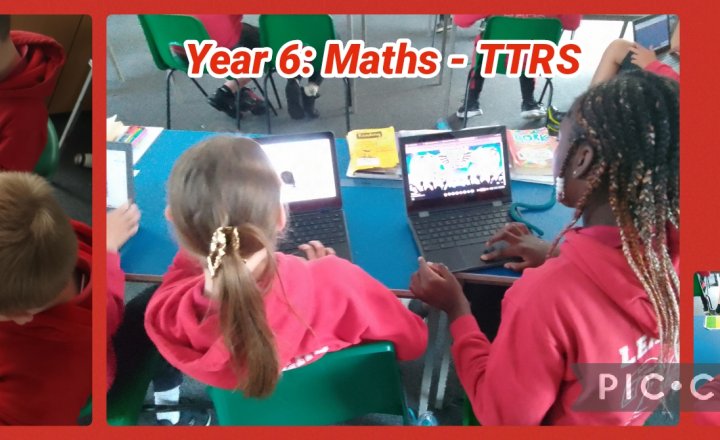
Year 6: Maths - TTRS
This week Year 6 are trying to retain their title as two time champions of the TTRS Battle of the Bands! They are improving their speed and accuracy when recalling multiplication and division facts - and having fun!
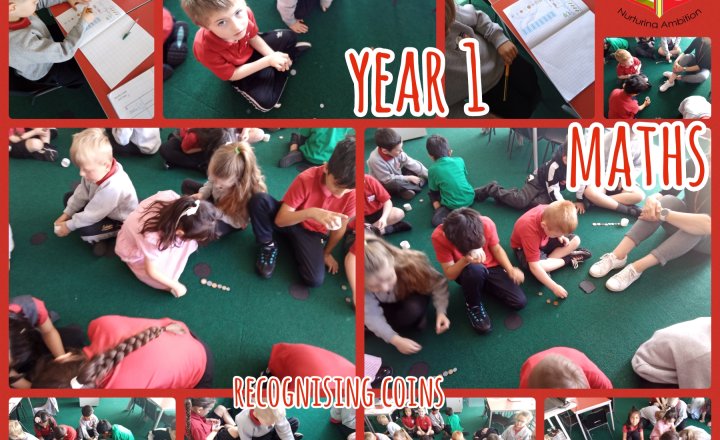
Year 1 - Maths - Recognising Coins
Year one have been learning all about money! Today we have been exploring different coins. We have ordered them by size and value. The children really enjoyed exploring the coins and discussing their value. They made great links to when they have spent money at the shop, or to coins they have at home. The children then had to match the coin to its value. Parents, help us keep the learning going at home! Next time you're handling change, ask your child if they can spot the difference between a 1p and a £1 coin. What’s their favourite coin to save?
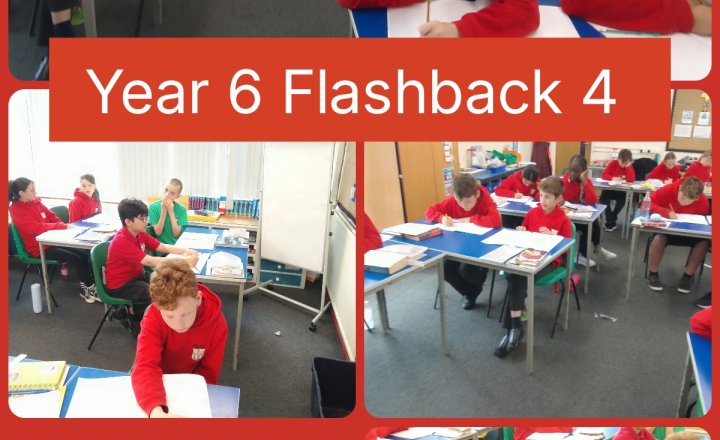
Year 6: Maths
Year 6 are continuing to consolidate their learning in maths, as we approach the end of the year. Flashback 4 is a great way for us to get our brains into gear in the mornings!
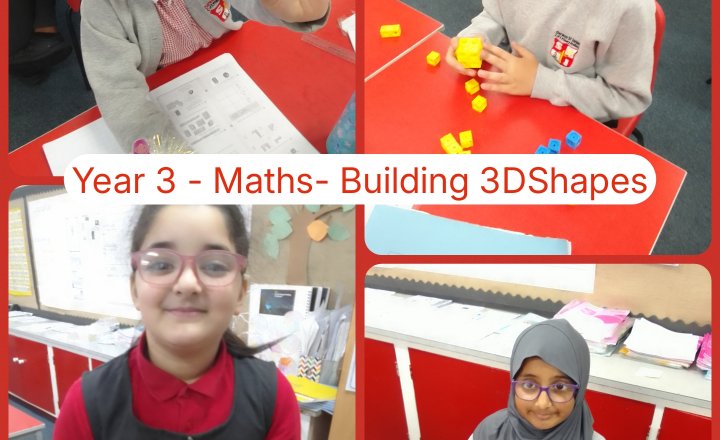
Year 3 - Maths - Building 3D Shapes
Our Year 3 mathematicians turned into structural engineers today. We traded our pencils for building materials to take our geometry learning to the next level. By building 3D shapes from scratch, the class got a hands on to create solid objects. We explored the number of vertices, edges and faces. From sturdy cubes to challenging triangular prisms, the creativity and mathematical thinking were brilliant.
.jpg)
Year 2 - Maths - Tally Charts
Our brilliant Year 2 pupils have been turning into fantastic data detectives this week by exploring statistics with colourful cubes. Working collaboratively, the children first sorted the mixed cubes into colour groups, carefully recording their findings in a table using accurate numbers and tally charts. Once their data was organised, they worked together to analyse the results, successfully identifying which colour had the most, which had the least, and calculating the difference between the groups. It was wonderful to see the children applying their addition and subtraction skills so enthusiastically, all while demonstrating superb teamwork and mathematical discussion!
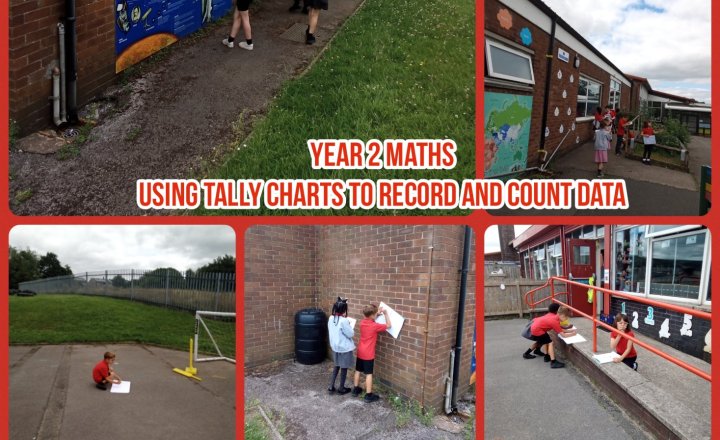
Year 2 Maths: Shape Tally
Our Year 2 mathematicians took their learning into the great outdoors this week! Armed with their maths books, the children went on a lively shape hunt around the school grounds, masterfully recording the shapes they spotted using tally charts. It was a fantastic, hands-on way to bring data collection to life. Check out our brilliant statisticians in action!
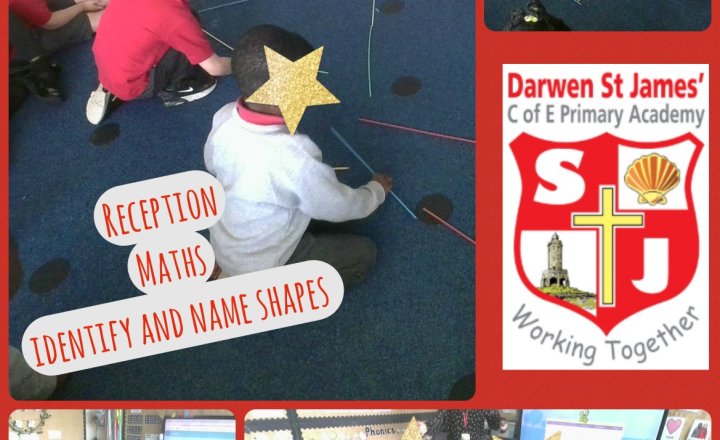
Reception- Maths- Identify and Name Shapes
This week in Reception, our little mathematicians had brilliant fun exploring shapes! We got stuck into building our own colorful straw models, counting out exactly how many we needed for each design. The classroom was absolutely buzzing with chat as the children proudly showed off their creations, carefully counting up all the straight sides and pointy corners they’d made.
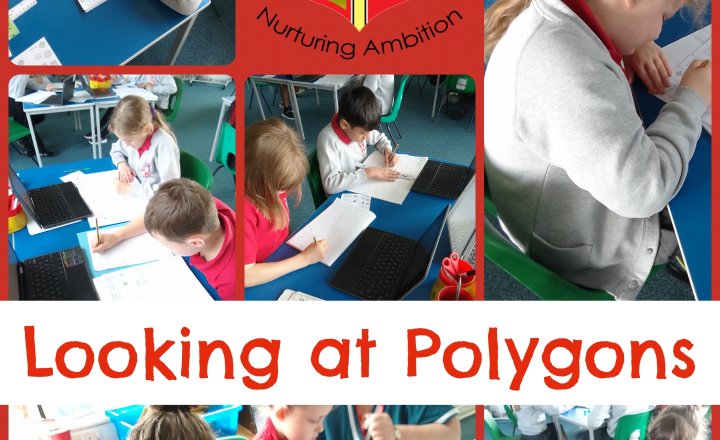
Year 4 Maths - Looking at Polygons
Year 4 have been looking at the different names and properties of polygons in our Maths lessons this week. We have used mirrors to find out how many lines of symmetry each polygon has and enjoyed finding lines of symmetry on different items around the classroom!
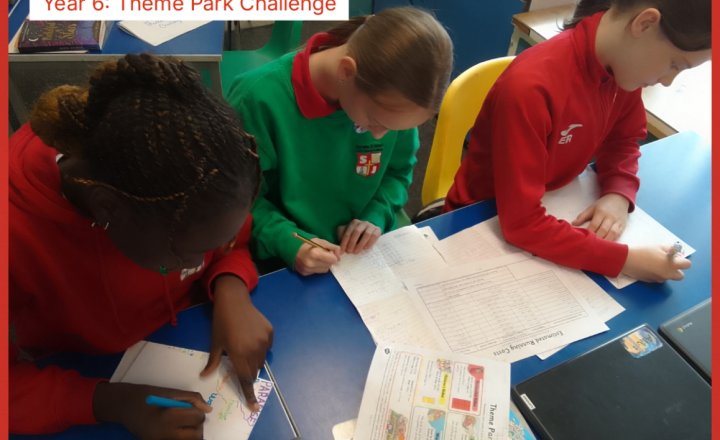
Year 6: Maths - Theme Park Challenge
As year 6 come to the end of their journey at primary school, they are completing a team challenge which uses all of their English, Maths and team work skills! The challenge is to design, advertise and budget for a working theme park.
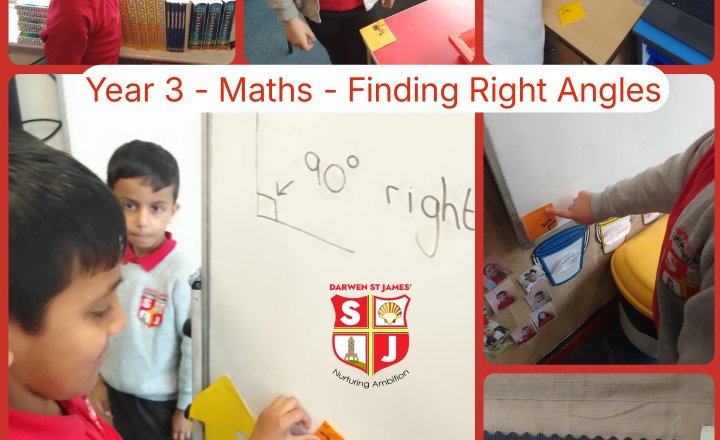
Year 3 - Maths - Finding Right Angles
Year 3 have been turning into maths detectives this week! The children have been exploring geometry by searching high and low for right angles right here in our classroom. Equipped with their trusty right-angle testers, they have been checking everything from the corners of their books to the edges of the whiteboard. It has been a fantastic way to bring our shape and space topic to life and see how maths connects to the world around us.
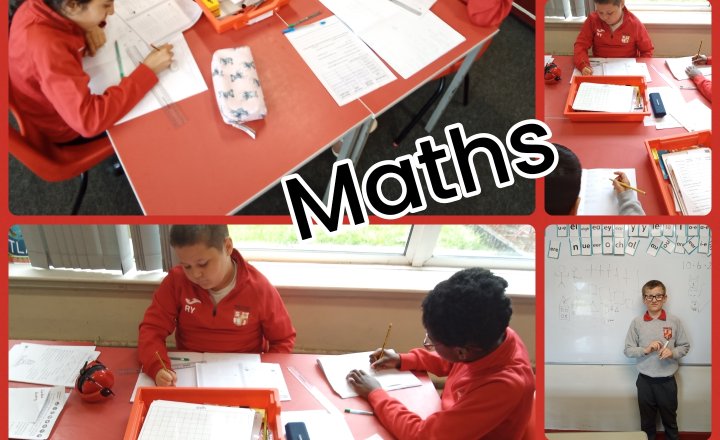
Year 5 Maths
In our maths lesson, we looked at decimal sequences and practised multiplying numbers by 10, 100 and 1,000. We explored how the digits move place value columns when multiplying and used this knowledge to solve a range of problems and challenges.
.png)