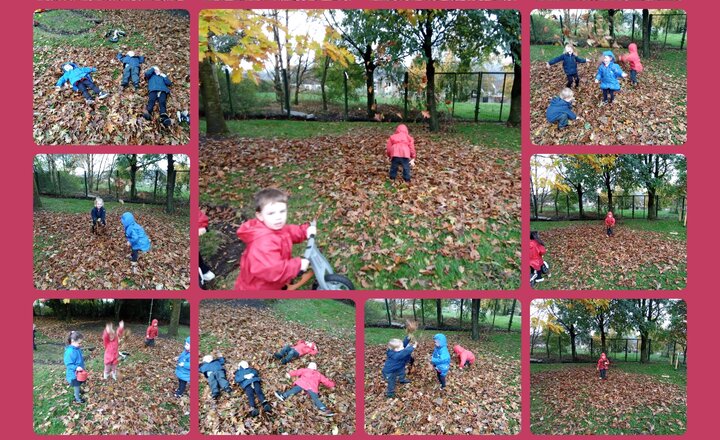
Pre-School-Outdoor Provision-Autumn Fun
???? Autumn is officially in the air—and in our classroom! ???? We're diving into the Natural World by becoming little nature detectives. From watching the leaves turn a brilliant gold to spotting squirrels prepping for winter, our children are observing and describing all the amazing seasonal changes around us. What we're exploring: • ???? Nature Detective Work: Describing why the leaves feel 'crunchy' and look 'rusty.' • ???? Getting Moving: Practicing new Gross Motor skills like swirling like a dancing leaf or stomping through imaginary leaf piles! • ????️ New Words: Adding exciting words like deciduous, acorn, and conker to our vocabulary.
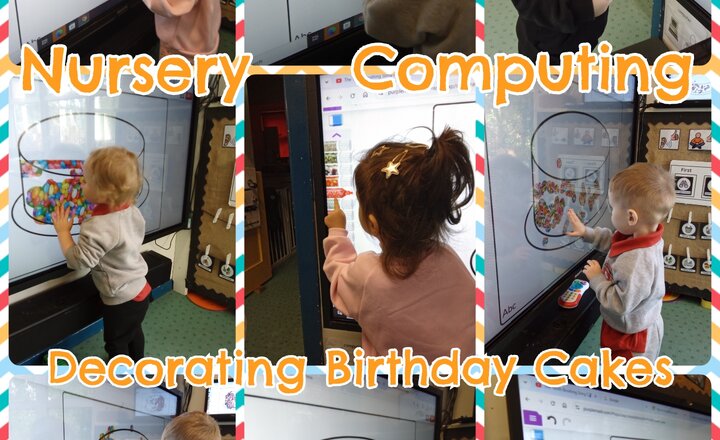
Nursery - Computing - Decorating Birthday Cakes
This computing lesson introduced basic digital literacy skills by having the children decorate a birthday cake on Purple Mash. The children successfully used simple controls for digital mark-making, developing foundational coordination on-screen. This activity was also used to encourage communication, as we discussed their chosen toppings and their likes and dislikes. A number of children demonstrated early navigational skills by learning to scroll through the menus and select different decorative elements for their cakes. They did a brilliant job of translating their ideas into digital designs, reinforcing their understanding of basic input.
Nursery - Art - Pinecone Painting
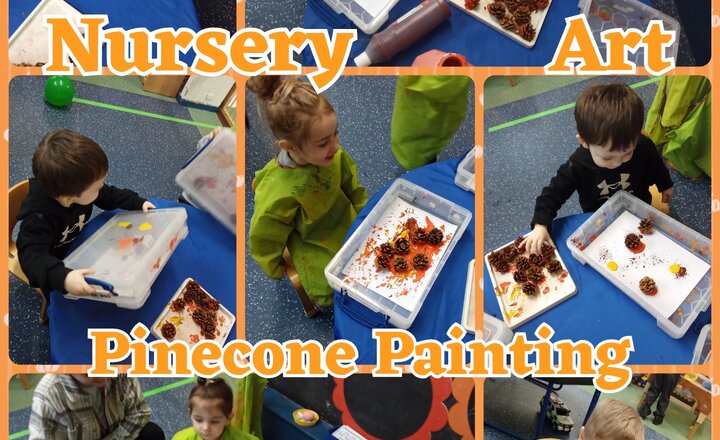
The children explored a new and exciting technique involving pinecones and paint to create abstract autumnal artwork. They began by adding blobs of autumnal colours—brown, red, and yellow—into a flat tray. Next, they placed several pinecones into the paint. Using their gross motor skills, the children were encouraged to wiggle, tip, and shake the trays, which made the pinecones roll through the paint. As the pinecones moved, they left interesting trails and marks on the paper, creating unique patterns. A fantastic extension to this activity was the discovery of a new colour! Some children noticed the red and yellow paints mixing together to create orange.
Reception- PSHE- My Emotions
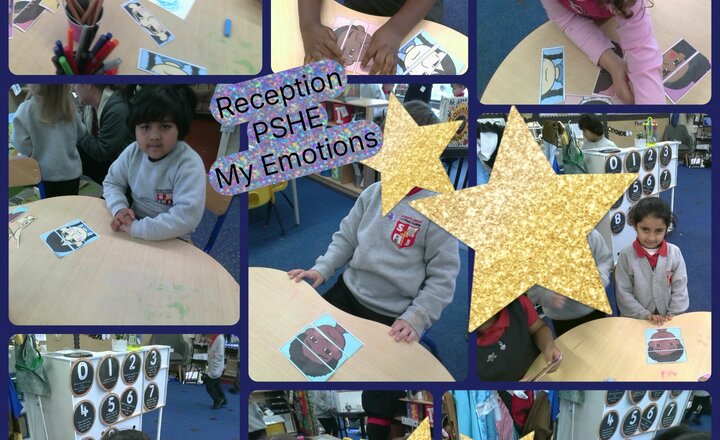
In our PSHE lesson we have been learning all about ourselves and our emotions. We listened to the story of the Colour Monster and linked the colours to how we would be feeling. We discussed as a group that if we felt sad, happy, angry or excited what that might look like on our face, body and what might have caused that feeling. We then talked about if we felt this way what we could do or find to help us feel better or share our experience with someone. The colour designed their own colour monster and used the jigsaw puzzles to piece together how someone was feeling.
Reception - Art and Design - Creating Skeletons
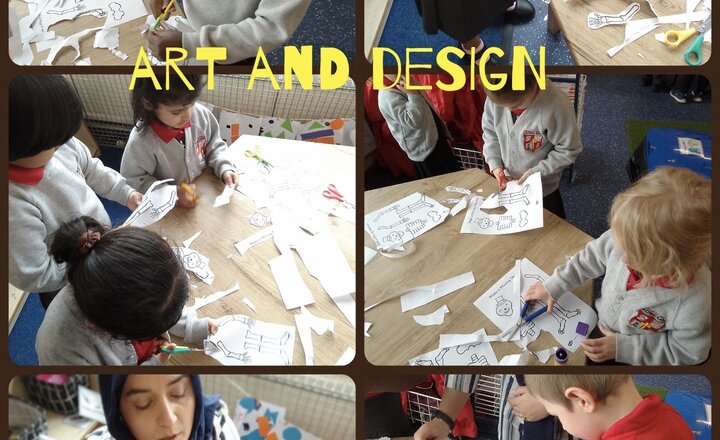
This week in Reception, we’ve been busy developing our cutting skills as we created our own skeletons inspired by Funnybones by Janet and Allan Ahlberg. Using scissors carefully takes lots of practice, so we’ve been focusing on holding them correctly, turning the paper as we cut, and following the lines with control. The children showed great concentration and perseverance — and had lots of fun piecing together their bony creations afterwards! It’s been lovely to see their confidence growing, both with their fine motor skills and their creative ideas. Our classroom display is now full of smiling skeletons — just like the ones in the story!
Reception - Science - Exploring Skeletons!
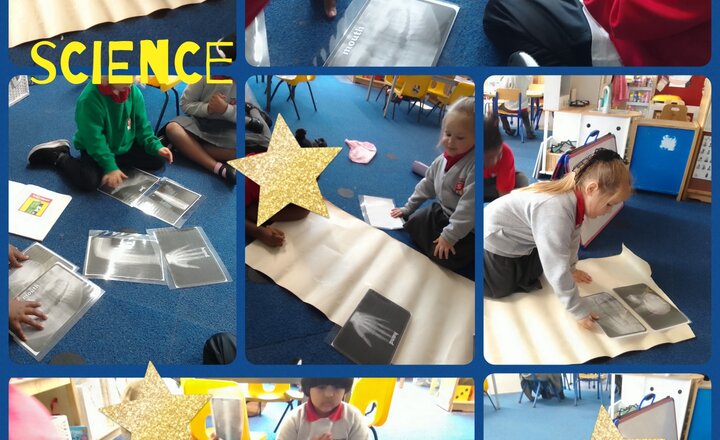
In Reception, we’ve been exploring skeletons as part of our learning linked to Funnybones by Janet and Allan Ahlberg. The children were fascinated by real X-rays and loved discovering what our bones look like inside our bodies. We worked together to draw around each other on large paper, then named and labelled the different bones — from our skulls and ribs to our arms and legs! This hands-on learning helped the children make links between the story and their own bodies, while developing their understanding of the world (EYFS science). It’s been a brilliant mix of curiosity, creativity and teamwork — and we’ve learned that there really are skeletons inside everyone!
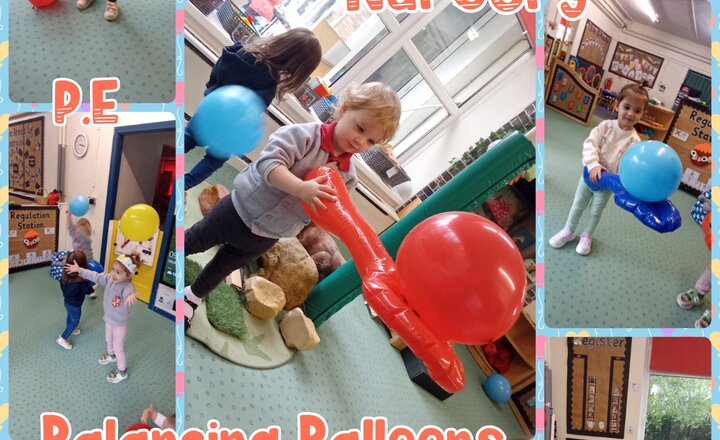
Nursery - P.E - Balancing Balloons
During our PE lesson, the children worked on developing their hand-eye coordination and perseverance through a fun balancing challenge. They each selected a giant spoon and used it to balance a balloon. This required great care and focused movement, as the balloons easily fell off. This activity was a huge success, and the children continued to explore the balloons in their independent learning, practicing new skills like throwing and catching with a partner, tapping the balloons in the air, and maneuvering them across the floor with their spoons.
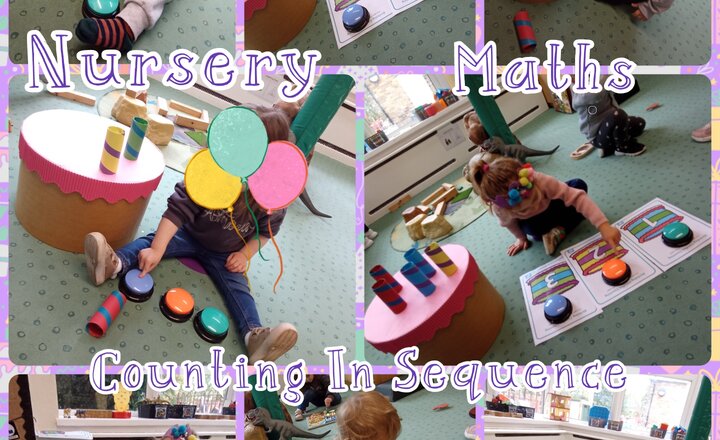
Nursery - Maths - Counting In Sequence
During our maths lesson, the children participated in a fun, hands-on activity focusing on sequential counting and early number recognition using our jumbo birthday cake prop. The main task involved counting and placing candles onto the cake in the correct order, which reinforced the principle of one-to-one correspondence. To support their learning, some children successfully used sound buttons to guide their counting and candle placement. For those demonstrating strong sequential counting skills up to ten, we introduced the visual numerals 1, 2, and 3. They used the sound buttons to support this new knowledge before consolidating it by tracing the numbers with their fingers. This engaging, multi-sensory approach provided excellent practice in both oral counting and linking written numerals to quantity.
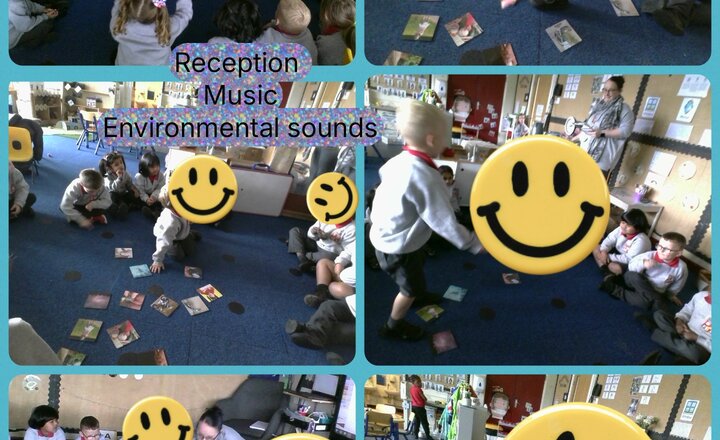
Reception- Music- Environmental Sounds
In music this week we have been using our listening ears to recognise the different sounds all around us. We had different picture cards to match up to the sounds we heard on the cd player. The children supported each other if they were unsure what the sound was. We talked about the everyday sounds we hear when we are walking to school or in the garden and if they are loud or quiet sounds.
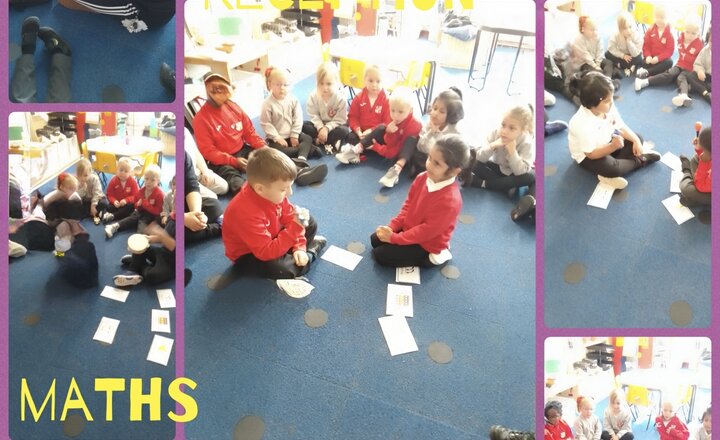
Reception Maths – Repeating Patterns
Our Reception children have been exploring repeating patterns through hands-on activities linked to White Rose Maths. They worked together to spot, copy, continue and create their own patterns using everyday objects. The children loved working practically – sorting, building and chatting about what they noticed. These activities not only help develop early mathematical understanding, but also encourage turn-taking, reasoning and careful observation. Learning through play is such a big part of our EYFS curriculum, and it’s lovely to see the children so engaged and confident as they explore new mathematical ideas!
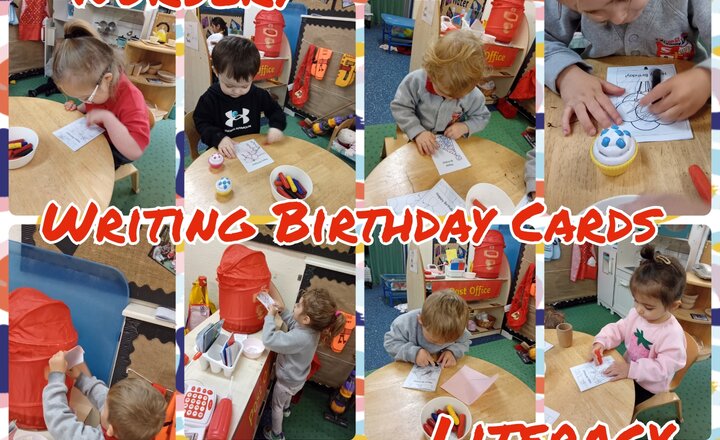
Nursery - Literacy - Writing Birthday Cards
Our literacy focus this week was on mark making and communication using the Post Office role-play area. The children engaged in the purposeful activity of creating birthday cards for our story character, Lulu. They began by choosing a card and using crayons to color and make various marks. This mark-making is a crucial pre-literacy step, as it builds the muscle control needed for future conventional writing. The lesson concluded with the children posting their finished cards into the postbox. This action helped reinforce narrative sequencing and connected their play to real-world systems, mirroring the postal delivery process just like in our story.
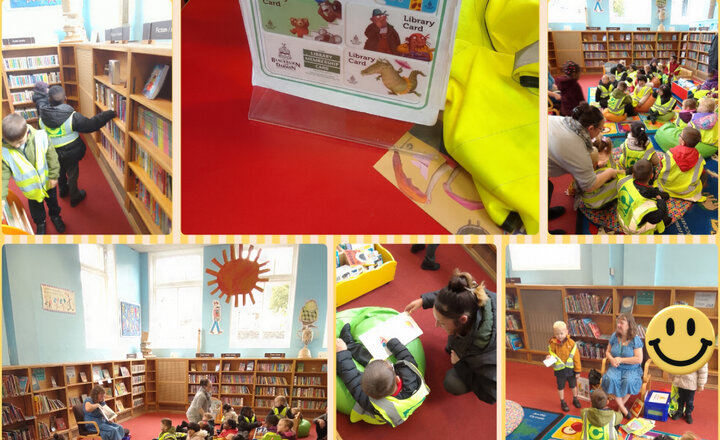
Reception - Visit to Darwen Library
Reception had a fantastic time visiting Darwen Library! The children loved learning about all the fun things you can do there, from borrowing books to joining in with special story sessions. Jackie, the librarian, read Dear Zoo and the children joined in using props – it was such a joy to see their excitement. Some of the children even signed up for their very own library cards! A huge thank you to everyone at Darwen Library for inviting us – we had a wonderful morning and can’t wait to visit again.
.png)