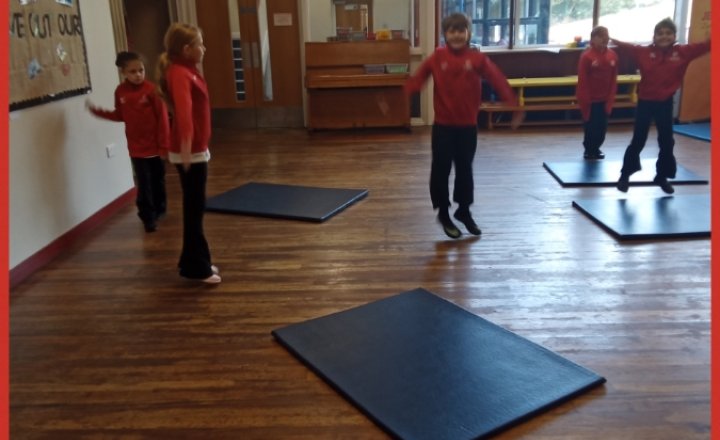
Year 5 PE - Gymnastics
The children explored body tension, extension, and control as they mastered their very first core position: the straddle pose. Working on the mats, pupils focused on keeping their legs straight, toes pointed, and posture strong. It was brilliant to see everyone showing such determination and flexibility as they built the foundation for more complex balances and routines.
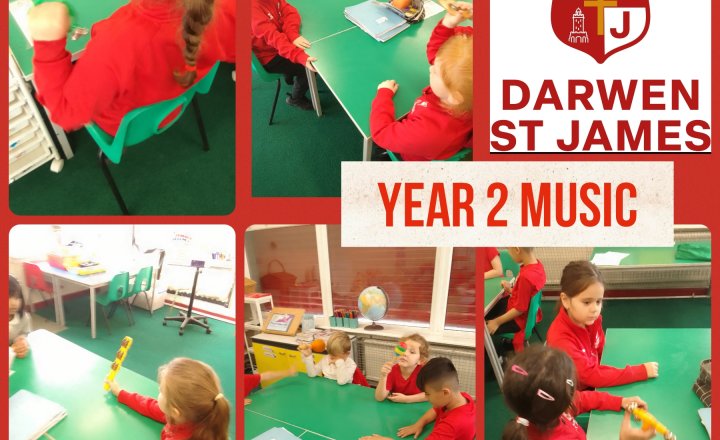
Year 2 Music - Dynamics Performance
In this exciting music lesson, Year 2 pupils explore how changing volume—known in music as dynamics—can bring their compositions to life. Working in small groups, the children develop their own 'call and response' percussion patterns, experimenting with contrasting loud and quiet sounds to make their performances as expressive as possible. They conclude the session by performing their pieces for their classmates and sharing helpful, constructive feedback.
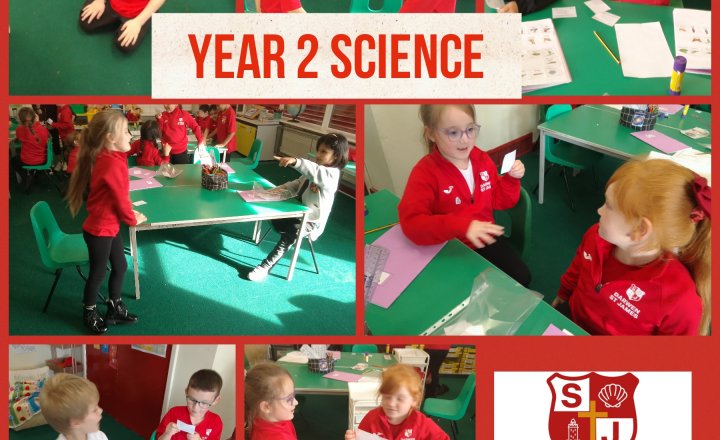
Year 2 Science - Guess the Lifecycle Stage!
In this lively Year 2 science lesson, the children explored life cycles through hands-on activities and play. After putting various animal life cycles into the correct order, they moved on to studying the human life cycle. Taking turns, partners picked a stage of human life and acted it out using a list of suggested actions, while their partner tried to guess which stage they were portraying. It was a fantastic, fun-filled activity that the children thoroughly enjoyed!
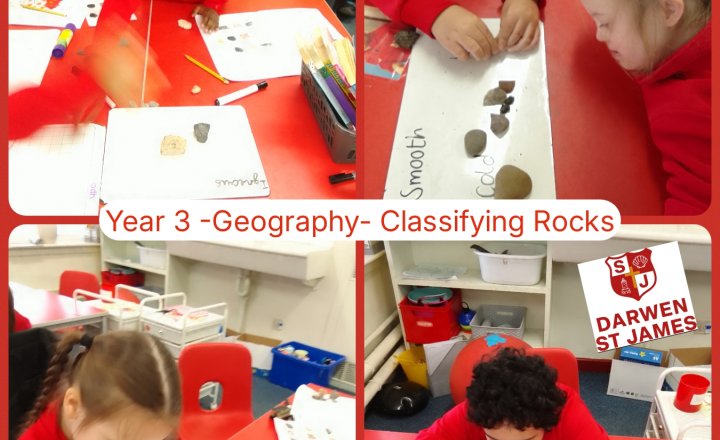
Year 3 - Geography - Classifying Rocks
Year 3 has been busy exploring the fascinating world of geology during their latest geography lessons. The children have been hands-on with practical investigations, carefully examining and sorting various rock samples into three distinct groups: sedimentary, igneous, and metamorphic. By closely observing their textures, hardness, and formation clues, pupils developed a brilliant understanding of how different rocks are formed across our planet. Well done, Year 3, for your fantastic enquiry and teamwork.
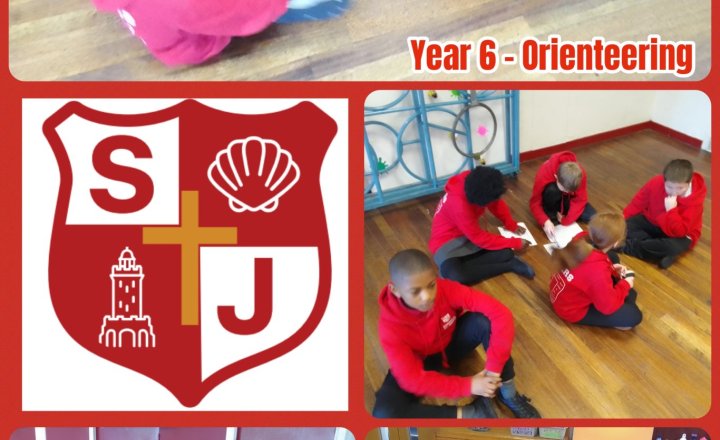
Year 6 - PE - Orienteering
Ever wondered if your child could use a map and key to crack a secret code and navigate their way to victory? This week, Year 6 put their Outdoor and Adventurous Activities (OAA) skills into practice during an exciting, high-energy orienteering lesson on the school grounds. After sharpening their spatial awareness with a energetic warm-up and practicing map orientation, the children worked in small teams to interpret map symbols and locate hidden control points in a specific order. Demonstrating brilliant teamwork, honesty, and safety awareness, pupils logged each checkpoint on their control cards and successfully decoded the secret mystery word!
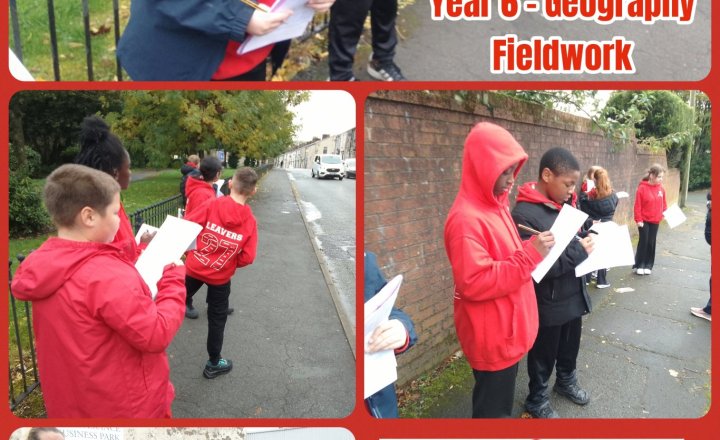
Year 6 - Geography - Fieldwork
Have you ever wondered how the size of a local population changes the environment on our very own doorstep? Over two action-packed geography lessons, Year 6 took their learning outdoors into the local area to investigate traffic, litter, and noise pollution across busier and quieter locations. Navigating with Ordnance Survey maps, the children collected both quantitative traffic tallies and qualitative data—listening carefully to assess noise levels and using Likert scales to judge environmental impact along their route. Back in the classroom, they carefully analysed their data sets to craft detailed fieldwork reports, complete with thoughtful suggestions on how to improve and protect our local community!
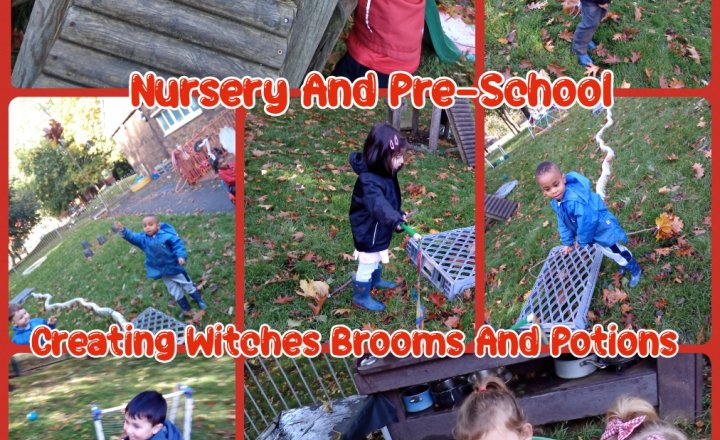
Nursery And Pre-School - Geography - Creating Witches Brooms And Potions
Inspired by this week's story, 'Room on the Broom', our children headed outside on an autumn outdoor hunt to gather natural materials and build their very own broomsticks! While searching for the perfect sticks, the children put their observational skills to work by exploring the seasonal changes happening in their local environment. They noticed that the trees were shedding their leaves onto the ground and spotted a rich new palette of autumn colors, eagerly discovering leaves in shades of brown, orange, and yellow. It was a wonderful, hands-on way to connect storytime magic with early geographical understanding and the natural rhythms of nature!
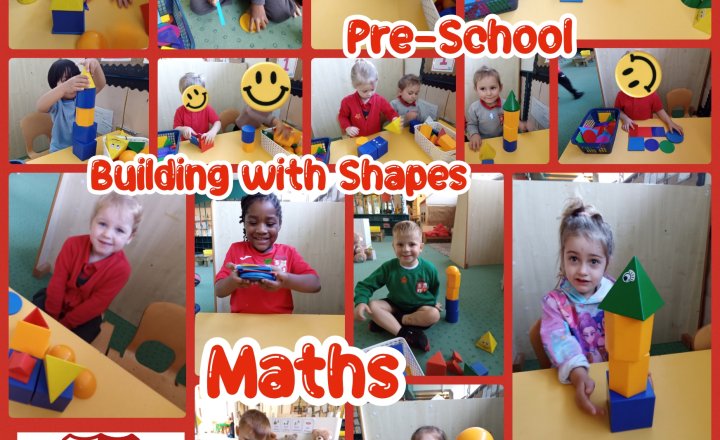
Pre-School-Maths-Building With Shapes
In Maths this week the children have been building masterpieces using 2D and 3D shapes, identifying some shapes they have used along the way. We had houses,castles,trains, cars and many more masterpieces.The children were really excited about their creations.
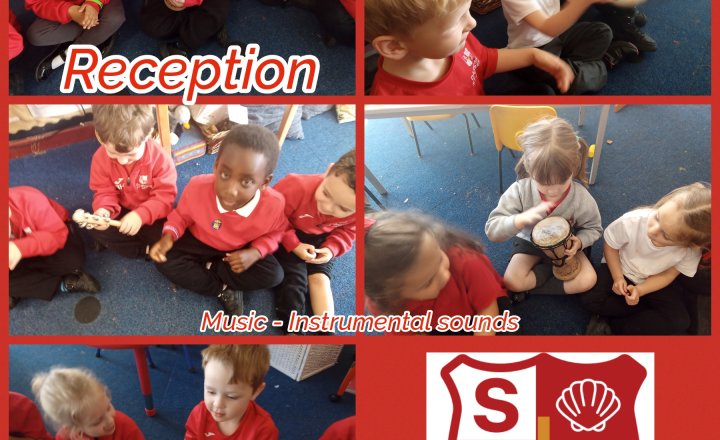
Reception-Music-Instrumental Sounds
In our music lesson this week, Reception had fantastic fun exploring a variety of instruments to discover the different sounds they can make. The children experimented with tapping, shaking, and scraping to compare loud, quiet, high, and low sounds. This followed on from experimenting with body sounds and vocal sounds.
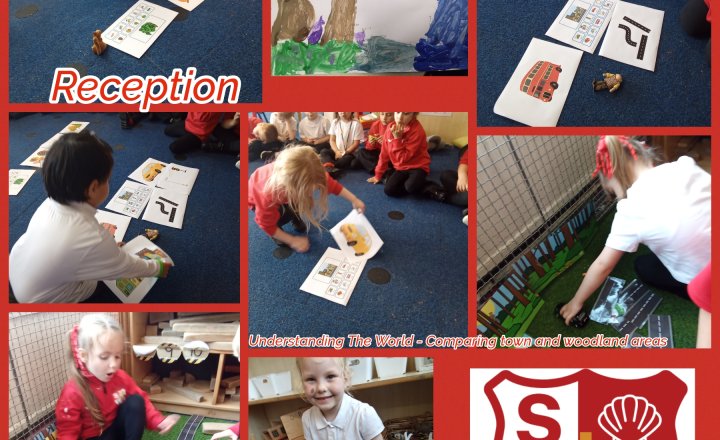
Reception-Understanding The World-Comparing Woods and Towns
In our Understanding the World learning this week, Reception compared the different features found in woods and towns. The children then painted pictures and used small world resources alongside construction blocks to build their own towns and woodlands, carefully incorporating the key features they discussed.
.jpg)
Nursery - Maths - Subitising 1 and 2
Our Nursery children have been sharpening their early subitising skills this week—learning to instantly recognise quantities of 1 and 2 without needing to count them one by one. To bring this mathematical concept to life, we brought out a magic cauldron! The children brewed up their own special spells using pumpkins, spiders, and pinecones. Once all the ingredients were mixed, everyone peered into the cauldron to spot, name, and talk about the small groups of 1 and 2 items floating inside. It was a brilliant, hands-on way to make early number confidence fun, engaging, and just a little bit magical!
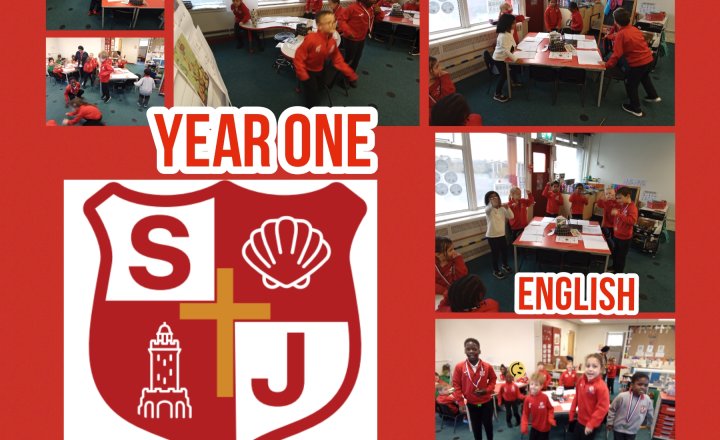
Year 1 English Gathering Ideas for Writing
Ready, Steady, Write! Our Year 1 children have been stepping into the shoes of their favourite characters during their English lesson this week. To help gather ideas for writing, the class got active and acted out different scenes as Little Bear, Bramwell Brown, Duck, and Rabbit from Old Bear. Taking on the roles of these iconic characters helped bring the story to life and got everyone’s creative ideas flowing before picking up their pencils. Fantastic imagination and enthusiasm on display from our Year 1 writers! #Year1 #English #ReadySteadyWrite #OldBear #PrimaryEducation #LearningThroughRolePlay #GatheringIdeas
.png)